“Effective feedback is given in a time of learning when there is still time to act on it. Feedback is used to provide constructive criticism or to receive positive suggestions to better oneself, an organisation, or a team. If done right, improvements can be made from the information that is either provided or received.” – Feedback Leader Tips, n.d.

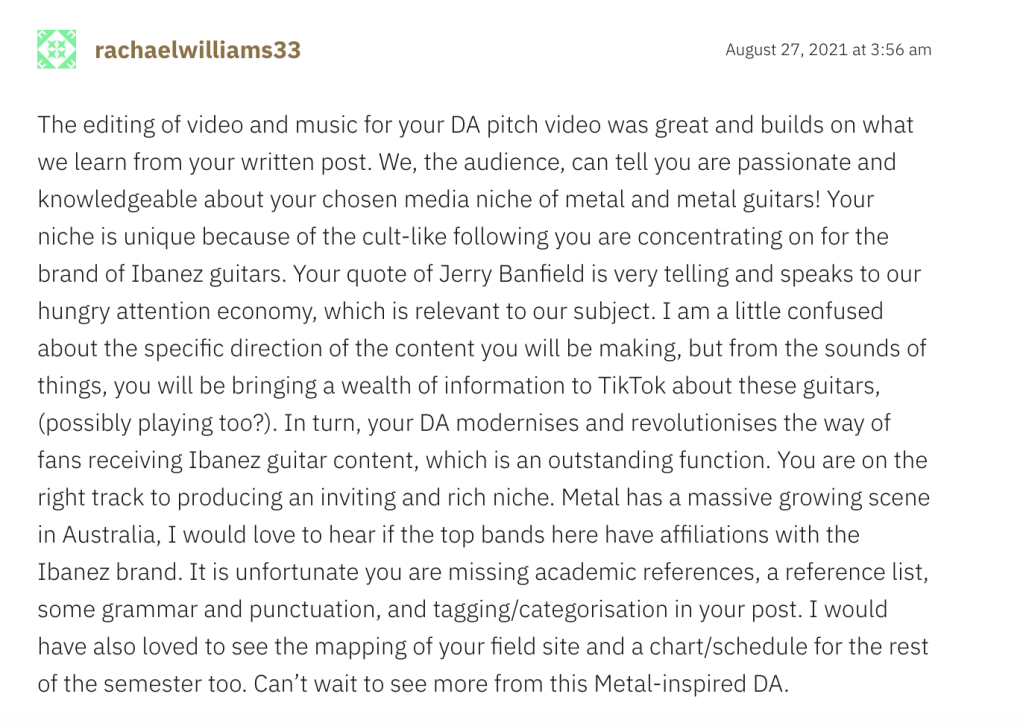
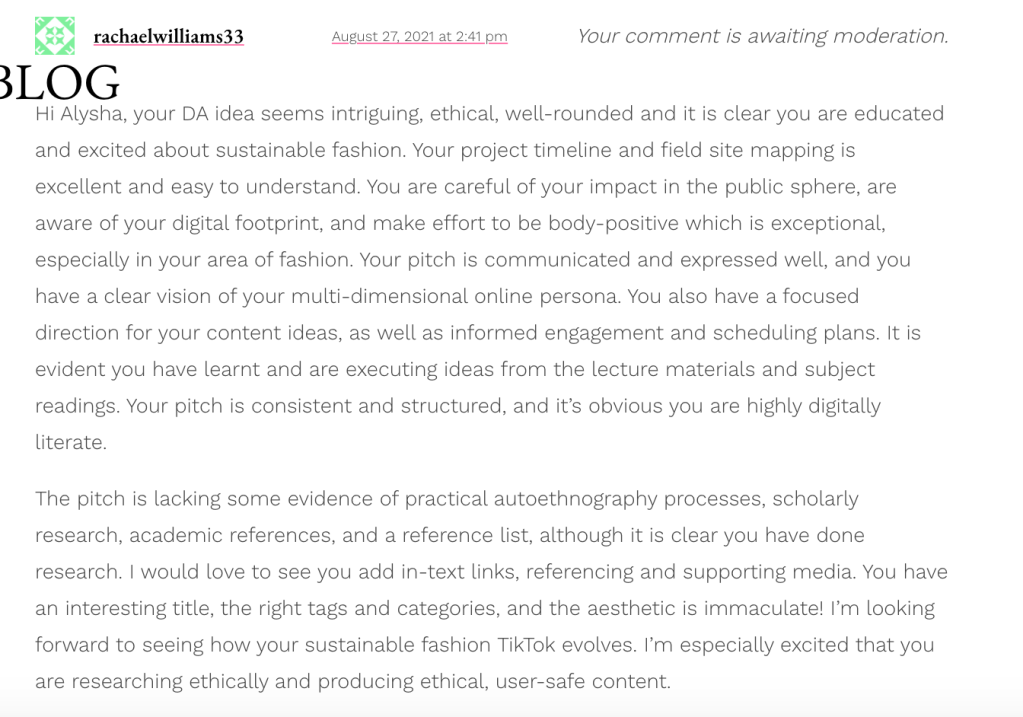
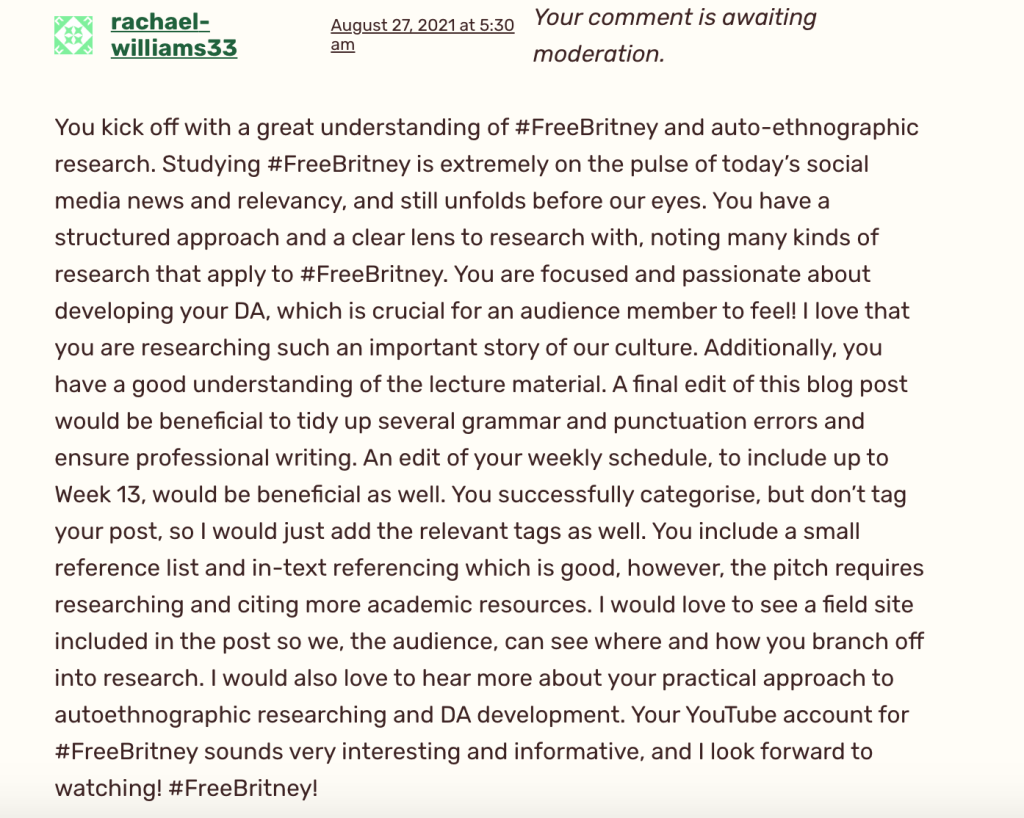
Peer evaluating allowed me to look objectively at the criteria, and where myself and other BCM 241 students hit or missed the blog posts. I found I was somewhat critical and had strong opinions about other students’ work, but didn’t hold myself to the same standards or hard work ethic while completing the posts. I tried to be as constructive and positive as possible, but often wanted to be quick to correct errors. I found myself correcting others’ work where I, myself, had failed. I was careful to give the author a positive experience, and ensure my comments were not too harsh or unjustified/judgemental. I would start with praising elements of their pitch and make that the focus of the first paragraph, then in the second paragraph, offer what I would have done differently or what is missing. When I made recommendations, I felt like I had reason to and only went off the marking rubric. The marking rubric was massively influential and helpful, I found myself always going back to it and checking my comments were in line with it. It did feel weird and pretentious that I was commenting on my peers’ work, as if I am not equally stabbing through the dark in the mysterious world of curating Media Niches and building DAs. Maybe this is why I enjoyed it.
I think I encouraged others well and always complemented the passion behind the project. I went in depth with their details, was generally supportive of posts and not too critical. I am enthusiastic about hearing about the development of the DAs and what content will be made. I offer practical recommendations in editing posts to do with grammar, punctuation and including references. I am appreciative of unique research and original niche ideas in my feedback. In my commenting, you can tell I’ve taken the time to dive into each pitch.
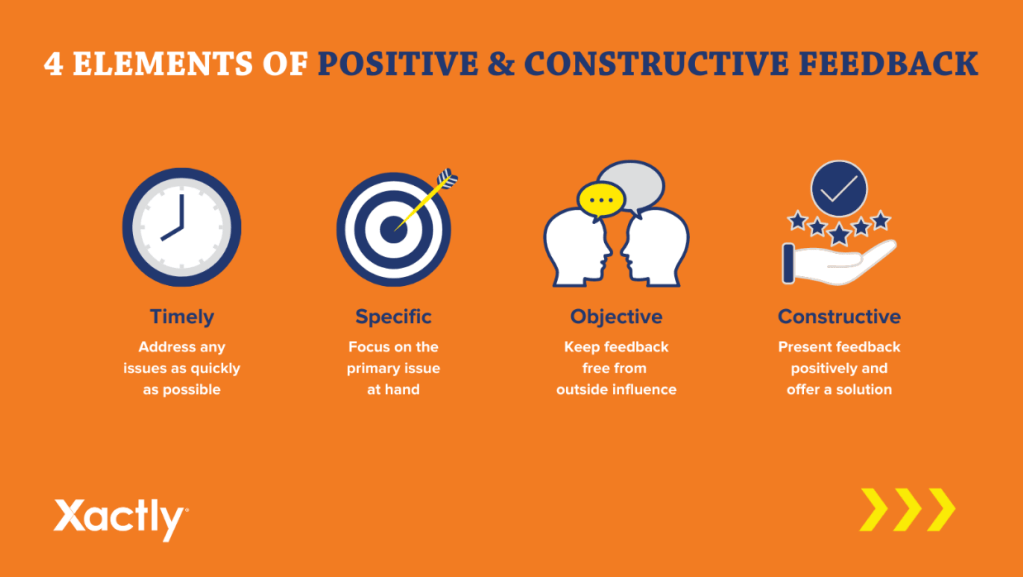
In future, if I know the content better myself, I’ll better be equipped to give feedback that’s more informed. I’ll also be able to help myself in that way. Each comment I give is quite formal, and maybe I should be less formal when commenting on my peers’ work. On the other hand, maybe I should enforce the marking rubric more. I would like to broaden my critiques so I can offer varied responses, instead of feeling like I repeat the same general tone quite a bit. However, disregarding tone, each of my detailed comments were specific and personal to the author’s pitch.
To improve my own work, I will be managing my time better, analysing more readings related to subject content and consuming more material. I won’t knock everything out in one day, adding to fatigue. I have taken the comments I’ve received on my pitch and will listen to them constructively. I will be shaping my DA with the feedback I’ve received, and look forward to using this feedback going into my beta.
References:
Creighton.edu. n.d. Feedback Leader Tips. [online] Available at: <https://www.creighton.edu/fileadmin/user/StudentServices/SLIC/LEAD_Center/Feedback_PDF.pdf> [Accessed 27 August 2021].
2015. The Art of Feedback. [image] Available at: <https://www.google.com/url?sa=i&url=https%3A%2F%2Ftechcrunch.com%2F2015%2F04%2F29%2Fthe-art-of-giving-feedback%2F&psig=AOvVaw2fNT3guvOw7dRrfEfPLE-t&ust=1630145996615000&source=images&cd=vfe&ved=0CAsQjRxqFwoTCKjOy5z90PICFQAAAAAdAAAAABAK> [Accessed 27 August 2021].
2021. 10 Constructive Feedback Examples. [image] Available at: <https://www.google.com/url?sa=i&url=https%3A%2F%2Fwww.xactlycorp.com%2Fblog%2F10-positive-constructive-feedback-examples&psig=AOvVaw2Z9Kg84zJp6-Dt814DPgWS&ust=1630146343565000&source=images&cd=vfe&ved=0CAsQjRxqFwoTCMjzy8L-0PICFQAAAAAdAAAAABAW> [Accessed 27 August 2021].
 internet kid